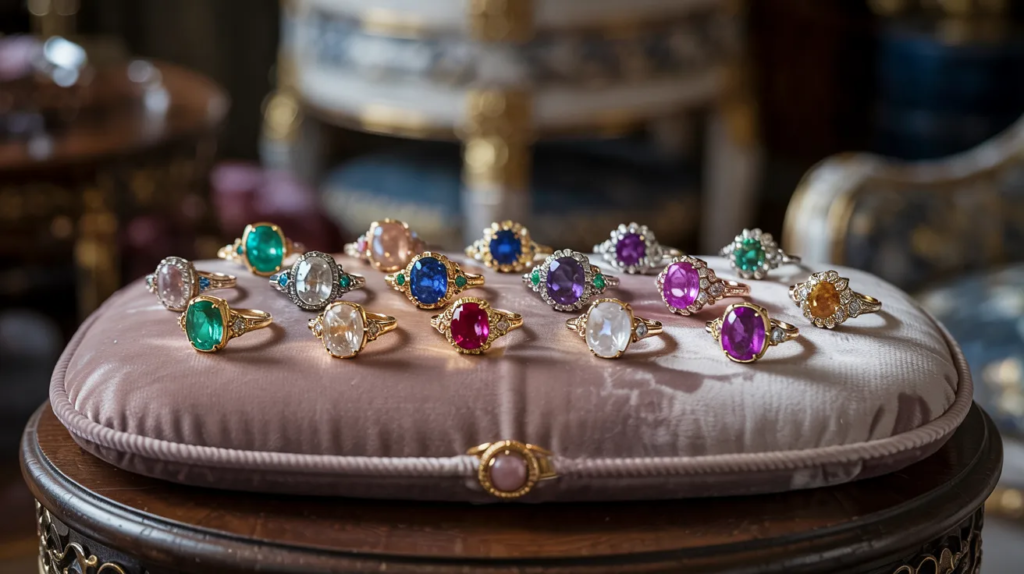
Introduction: Understanding the Value of Majestic Treasures
Throughout history, gemstones have symbolized beauty, wealth, and power. Among the most admired pieces in the world of jewelry are what collectors and enthusiasts often refer to as majestic treasures—rare and exceptional gemstones known for their brilliance, scarcity, and craftsmanship. These stones are more than decorative objects; they represent geological history, artistic mastery, and economic value.
The market for high-quality gemstones continues to grow as collectors, investors, and jewelry lovers seek unique pieces that combine natural beauty with long-term value. However, determining the quality and market value of these Majestic Treasures is not always straightforward. Several factors influence how gemstones are evaluated, including their color, clarity, cut, origin, and rarity.
Understanding these factors helps buyers, collectors, and jewelry professionals appreciate what makes certain gems truly exceptional. This guide explores how gemstone quality is assessed and how those characteristics translate into real market value.
The Meaning of Majestic Treasures in the Jewelry World
In the jewelry industry, the term “majestic treasures” often refers to gemstones that stand out because of their rarity, remarkable appearance, and historical significance. These gems are typically used in high-end jewelry pieces and are often showcased in luxury collections.
Such gemstones may come from famous mining regions or possess unique characteristics that set them apart from common stones. Their brilliance, depth of color, and exceptional clarity make them highly desirable. Many of these gems are carefully preserved or passed down through generations, further increasing their cultural and financial value.
Majestic treasures are not only appreciated for their beauty but also for the story behind them. Each gemstone forms deep within the Earth over millions of years, shaped by intense pressure and heat. This natural process gives every gem a distinctive identity that cannot be duplicated.
The Role of Color in Determining Quality
Color is one of the most important factors when evaluating a gemstone. In many cases, the richness and purity of a stone’s color significantly influence its value. The most desirable gemstones usually display vibrant, evenly distributed hues without dull or faded areas.
Gemologists often assess color based on three main characteristics: hue, tone, and saturation. Hue refers to the basic color of the gemstone, such as blue, red, or green. Tone describes how light or dark the color appears, while saturation measures the intensity or vividness of the hue.
For majestic treasures, the ideal color is typically vivid and balanced. Stones with overly dark tones or pale shades may be less valuable because they lack visual impact. When the color is strong and consistent throughout the gem, it enhances the stone’s brilliance and appeal.
Lighting conditions can also influence how color appears. Skilled gem cutters and jewelers take this into account when designing jewelry pieces, ensuring that the gemstone reflects light in a way that enhances its natural color.
Clarity and the Presence of Inclusions
Clarity refers to the internal and external characteristics present within a gemstone. These characteristics, known as inclusions or blemishes, form naturally during the crystal’s growth process. While many gemstones contain some level of inclusions, their visibility and placement affect the stone’s overall value.
High-quality majestic treasures typically have minimal visible inclusions. Stones that appear clean and transparent to the naked eye are considered more desirable because they allow light to pass through freely. This transparency enhances brilliance and sparkle.
However, inclusions are not always negative. In some cases, they can help identify a gemstone’s origin and confirm that it is natural rather than synthetic. Gemologists use specialized equipment to study these features, which can provide valuable information about the stone’s formation and authenticity.
The balance between clarity and natural characteristics is important. A gemstone that is too flawless may raise suspicion of being artificial, while one with excessive inclusions may lose its visual appeal.
The Importance of Cut and Craftsmanship
While nature creates gemstones, skilled craftsmanship reveals their true beauty. The cut of a gemstone determines how effectively it reflects light, which directly influences its brilliance and sparkle.
A well-cut gemstone maximizes the stone’s natural properties by balancing proportions, symmetry, and polish. When light enters a properly cut gem, it reflects within the stone and returns to the viewer’s eye as vibrant flashes of color and brilliance.
Poorly cut stones may appear dull or lifeless, even if they possess excellent color and clarity. This is why expert gem cutters carefully study the shape and structure of each rough stone before deciding how to cut it.
Different cutting styles are used depending on the type of gemstone and its intended use in jewelry. Some cuts emphasize brilliance, while others highlight color or unique crystal patterns. The skill of the cutter plays a significant role in transforming a rough mineral into a majestic treasure.
Rarity and Its Influence on Market Value
Rarity is one of the most powerful factors influencing the value of gemstones. Stones that are difficult to find or occur in limited quantities naturally command higher prices in the market.
Several factors contribute to rarity. Some gemstones form only under very specific geological conditions, which makes them uncommon. Others may come from mines that have already been depleted, increasing the value of existing stones.
The size of the gemstone also affects rarity. Large, high-quality stones are much harder to find than smaller ones, which makes them significantly more valuable. A gemstone that combines exceptional size, clarity, and color becomes especially desirable among collectors.
Market demand further amplifies the impact of rarity. When collectors and investors seek a particular gemstone type, its value can rise dramatically due to limited supply.
Geographic Origin and Its Market Impact
The origin of a gemstone can strongly influence its market value. Certain regions are famous for producing gemstones with distinctive qualities, and stones from these locations often carry a premium price.
For example, some mining regions are known for producing gems with exceptionally rich colors or unique internal patterns. Over time, these locations gain a reputation within the jewelry industry, and gemstones from those sources become highly sought after.
Gemological laboratories can often determine the geographic origin of a gemstone by analyzing its chemical composition and inclusions. This certification helps buyers verify the authenticity and provenance of their gemstone.
The reputation of a mining region, combined with the stone’s quality, plays an important role in determining its position within the global market.
Market Trends and Investment Potential
In recent years, gemstones have gained attention not only as jewelry pieces but also as investment assets. Collectors and investors view rare gems as tangible assets that can retain or increase value over time.
Market trends are influenced by fashion, economic conditions, and global demand. When certain gemstones become popular in luxury jewelry collections, their market prices may rise. Limited supply and increasing interest from collectors can also drive value growth.
However, investing in gemstones requires careful research. Buyers must consider certification, authenticity, and overall quality before making significant purchases. Working with reputable jewelers and gemologists is essential for ensuring that a gemstone is accurately evaluated.
Despite market fluctuations, truly exceptional majestic treasures often maintain their value because of their rarity and enduring beauty.
The Role of Certification and Authentication
Certification is a crucial step in determining the quality and value of a gemstone. Professional gemological laboratories analyze gemstones using advanced equipment to evaluate their characteristics and confirm whether they are natural or treated.
A gemstone certificate typically includes information about color, clarity, cut, carat weight, and any treatments the stone may have undergone. This documentation provides transparency for buyers and helps establish trust in the marketplace.
Certified gemstones generally command higher prices because their quality has been independently verified. For collectors and investors, certification provides reassurance that the gemstone meets industry standards.
Authentication also protects buyers from synthetic or imitation stones, which may look similar but lack the rarity and value of natural gems.
The Lasting Appeal of Majestic Treasures
The fascination with majestic treasures continues to grow as people appreciate both the beauty and history behind these remarkable stones. Each gemstone carries a unique story, from its formation deep within the Earth to its transformation into a polished jewel.
The combination of natural rarity, skilled craftsmanship, and cultural significance gives these gems lasting appeal. Whether displayed in a museum, worn as part of a luxury jewelry piece, or preserved in a private collection, majestic treasures continue to inspire admiration across generations.
Their value goes beyond financial worth. They represent nature’s artistry and humanity’s ability to transform raw materials into objects of extraordinary beauty.
Conclusion: Appreciating Quality and Value
Understanding the quality and market value of majestic treasures requires knowledge of several key factors, including color, clarity, cut, rarity, and origin. Each of these elements contributes to the overall beauty and desirability of a gemstone.
For collectors, investors, and jewelry enthusiasts, learning how these factors interact provides a deeper appreciation for the world of gemstones. Majestic treasures are not simply luxury items; they are natural masterpieces shaped by geological forces and refined by human craftsmanship.
As the demand for rare gemstones continues to grow, their significance in both cultural and economic contexts will remain strong. By recognizing the qualities that define these extraordinary gems, we gain a greater respect for the timeless beauty and enduring value they bring to the world of fine jewelry.